
Updated: July 8, 2026 · 8 min read
To sell art prints on Etsy, start with a narrow collection, offer frame-friendly sizes, use realistic listing mockups, write searchable titles, and price from real costs. The fastest path is not uploading dozens of random designs. It is publishing a small, coherent set of listings that buyers can understand in seconds.
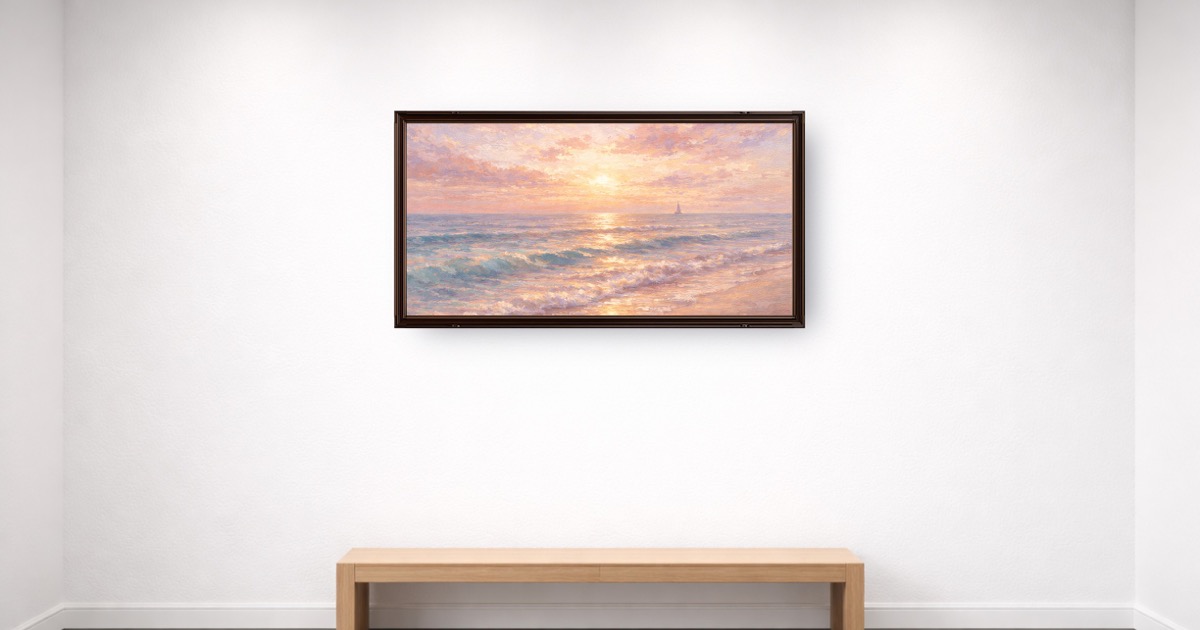
Table of Contents
- What should you sell first: digital downloads or physical prints?
- How do you choose an Etsy art print niche?
- What sizes should Etsy art print sellers offer?
- What listing photos do Etsy art buyers need?
- How should you write Etsy titles, tags, and descriptions?
- How should you price art prints on Etsy?
- How do you publish your first five listings?
- How do you improve after publishing?
- Key Takeaways
- FAQ
What should you sell first: digital downloads or physical prints?
Digital downloads are the lowest-friction way to test demand. You create the artwork files once, upload them to Etsy, and the buyer prints locally or through an online printer. Margins can be high, but average order value is often lower because the buyer handles printing, paper, and framing.
Physical prints feel more premium. They can support higher prices, but you need print quality control, packaging, shipping, replacement policies, and customer support. Print-on-demand reduces operations, though it also reduces control over paper, color, and the unboxing experience.
| Format | Best for | Main risk |
|---|---|---|
| Digital downloads | Testing demand, low startup cost, international buyers | Lower prices and more buyer printing questions |
| Physical prints | Premium positioning, gifting, finished home decor | Production, shipping, replacement, and color control |
| Print-on-demand | Sellers who want physical products without inventory | Less control over paper, packaging, and delivery timing |
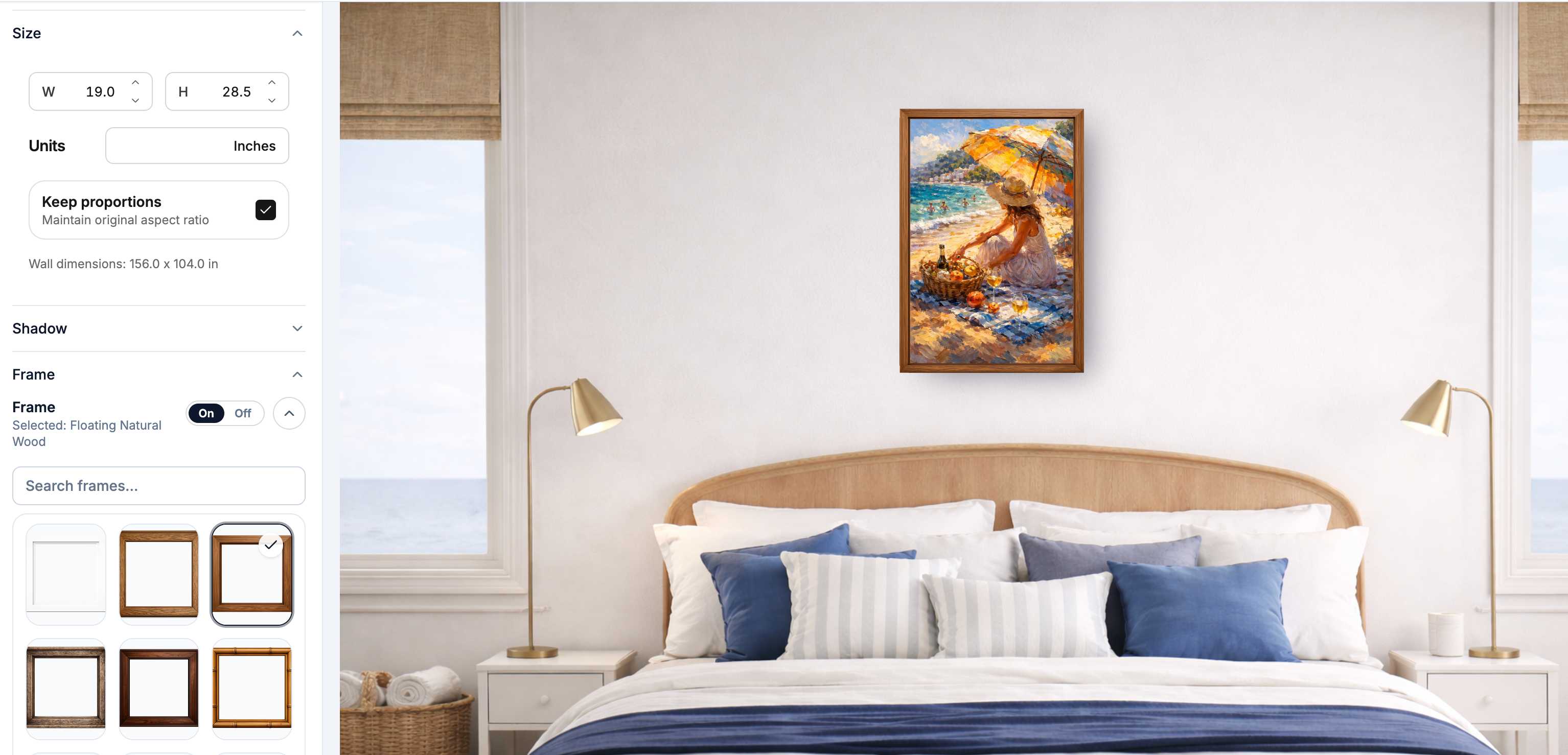
Start with the format you can support reliably for 30 days. If you choose digital downloads, include clear file ratios and printing instructions. If you choose physical prints, order samples before publishing. For visuals, create one true-to-scale hero image in the WallMockup editor so buyers understand the finished wall presence.
How do you choose an Etsy art print niche?
"Wall art" is too broad. Etsy buyers usually search with a room, style, subject, mood, or recipient in mind: coastal bathroom prints, nursery animal wall art, moody kitchen posters, botanical gallery wall, dark academia art print.
Choose a niche by combining three signals: subject, style, and use case. "Botanical wall art" is a category. "Neutral botanical prints for calm bedrooms" is a shop direction. It tells you what to make, which rooms to show, what frames to use, and what keywords belong in the listing.
Five-second niche test: if a buyer sees the first row of your shop, can they describe who the art is for? If not, tighten the collection before adding more listings.
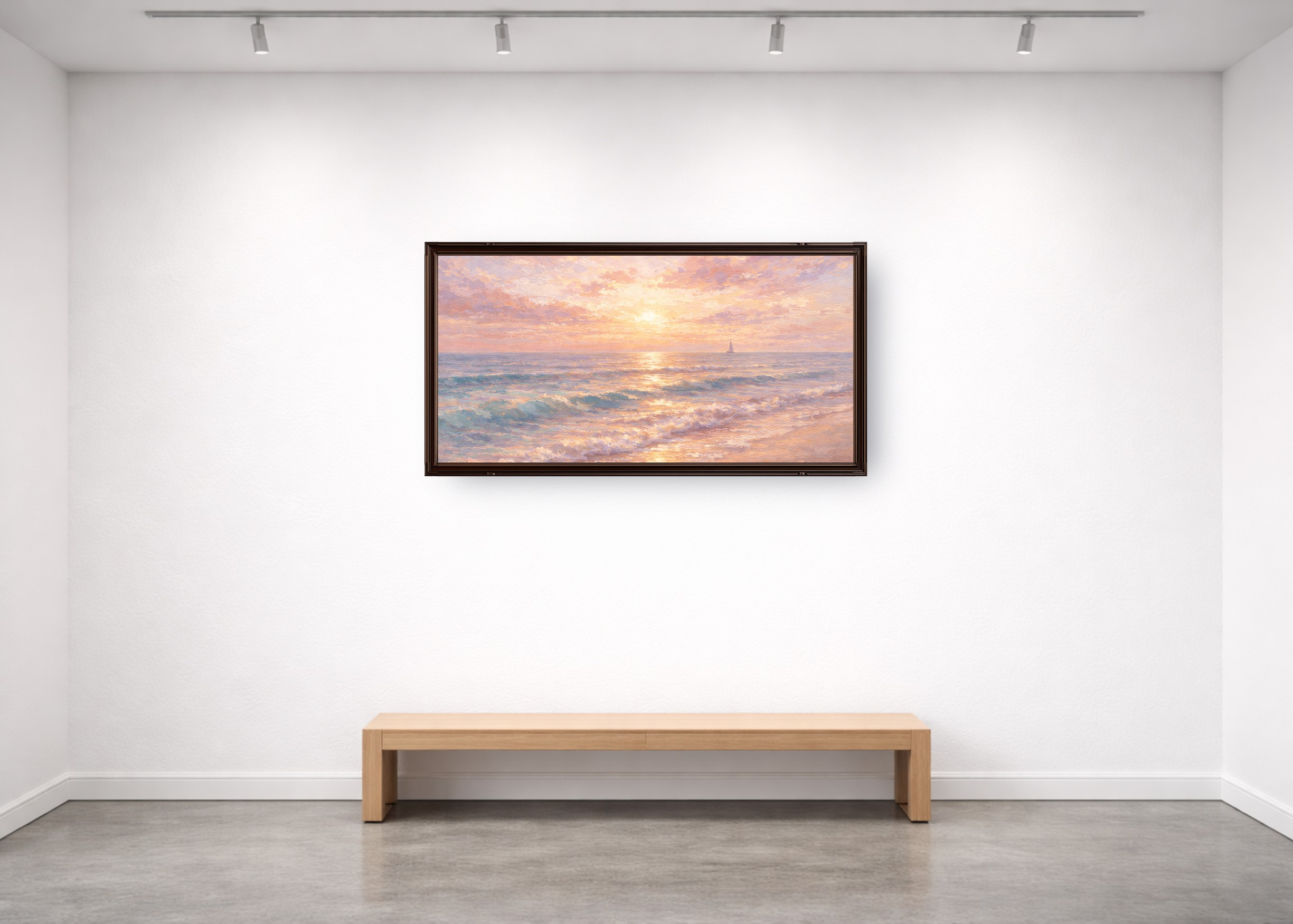
Use your mockups to reinforce the niche. Nursery art belongs in soft kids rooms. Minimal line art belongs in quiet bedrooms, hallways, or offices. For deeper listing-image strategy, use the Etsy art print mockups guide.
What sizes should Etsy art print sellers offer?
Offer sizes buyers can frame without custom work. Common print sizes include 8x10, 11x14, 12x16, 16x20, 18x24, and 24x36 inches. For digital downloads, organize files by aspect ratio so one purchase can cover several frame-friendly options.
| Ratio | Useful sizes | Listing note |
|---|---|---|
| 4:5 | 8x10, 12x15, 16x20 | Strong for portraits, nursery art, and small rooms |
| 3:4 | 9x12, 12x16, 18x24 | Good middle-ground ratio for bedrooms and offices |
| 2:3 | 12x18, 16x24, 20x30, 24x36 | Best for posters and large statement pieces |
| 1:1 | 8x8, 12x12, 16x16, 20x20 | Works well in sets, shelves, and gallery walls |
Before you list a large size, check the source file. A mockup can look fine at thumbnail size while the printable file is too small for 24x36. Use the print resolution checker and the poster size guide for artists and print sellers before promising a size.
What listing photos do Etsy art buyers need?
Your first image earns the click. For art prints, that usually means a realistic wall mockup with clear scale, a room that matches the buyer, and a frame treatment that does not overpromise what ships.
Etsy's own Seller Handbook emphasizes product photography as a core online-selling skill and breaks product photos into multiple useful types, not one decorative shot. For art prints, turn that into a focused image set: room context, detail, size, product clarity, and one alternate view.
| Image | Purpose | What to show |
|---|---|---|
| Hero wall mockup | Earn the click | Realistic room, true scale, clear artwork |
| Close crop | Show design detail | Texture, line quality, important artwork details |
| Size reference | Reduce uncertainty | Available sizes or one size shown above furniture |
| What is included | Prevent confusion | Digital files, unframed print, framed print, or POD item |
| Alternate room | Broaden fit | Same print in another room or frame color |
Use the official Etsy Seller Handbook's product photography guide as a baseline, then make the wall-art version more specific. A flat artwork image is useful, but it should not be the only image carrying the sale.

How should you write Etsy titles, tags, and descriptions?
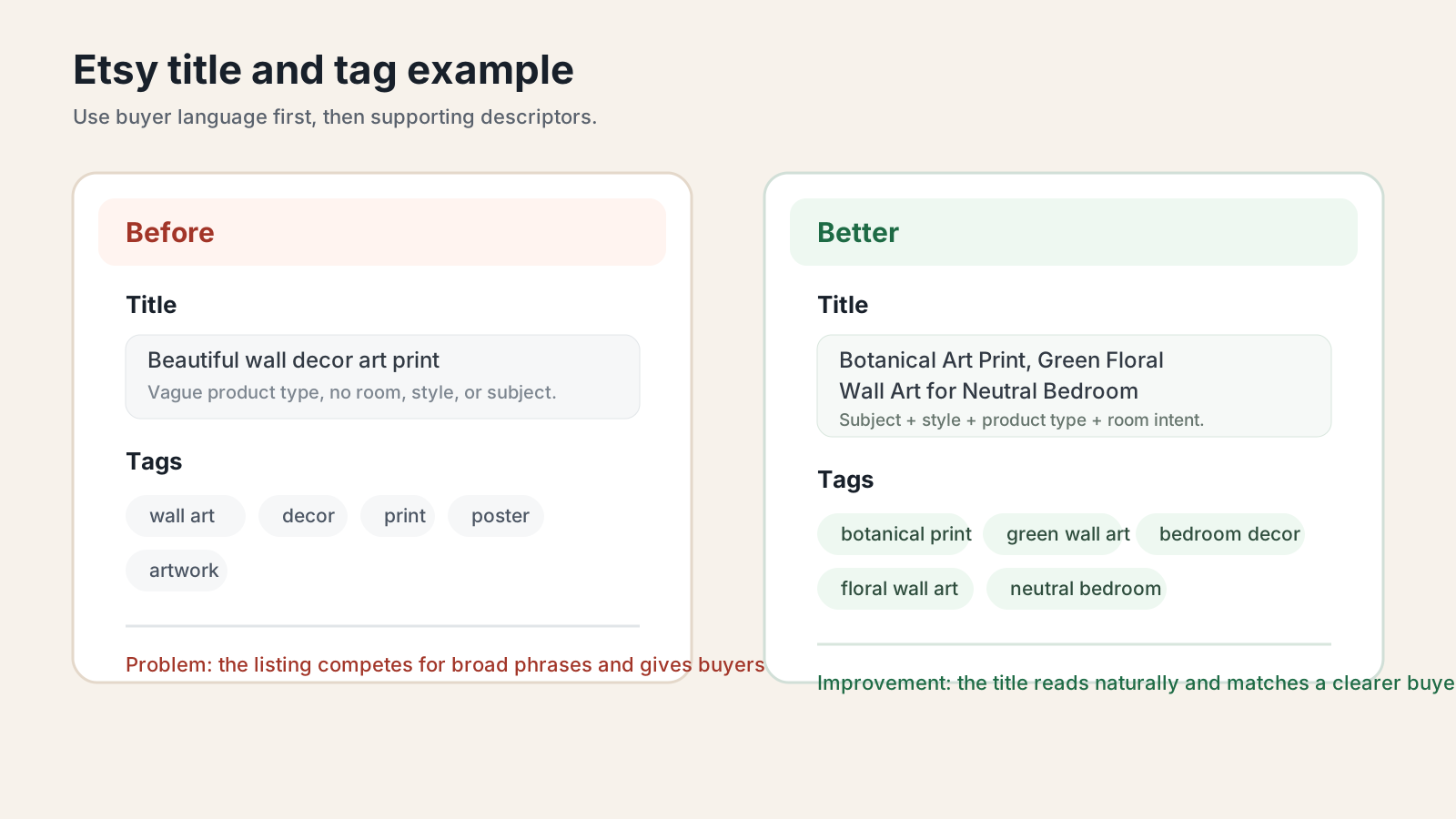
Write titles for buyers first, then search. Put the strongest phrase near the front, include the product type, and keep the title readable on mobile. "Botanical Art Print, Green Floral Wall Art for Neutral Bedroom" is clearer than a poetic artwork name with no buyer terms.
Etsy's keyword guidance says listing titles, descriptions, tags, categories, and attributes all help match listings to shopper searches. It also recommends clear descriptive titles and warns against keyword stuffing. That is especially important for art prints because buyers scan search results quickly.
Useful title formula: subject + style + product type + room or buyer intent.
Examples:
- Botanical Art Print, Green Floral Wall Art for Neutral Bedroom
- Coastal Bathroom Print Set, Blue Ocean Wall Art Download
- Vintage Kitchen Poster, Fruit Art Print for Gallery Wall
Use the first two description sentences to answer the buyer's practical questions: what the product is, what sizes are included, whether it is digital or physical, and whether the frame is included. Then add care, printing, shipping, or file-use details.
For official search guidance, read Etsy's Keywords 101 article.
How should you price art prints on Etsy?
Price from costs, not hope. For physical prints, include printing, packaging, shipping materials, Etsy fees, payment processing, replacement risk, and your time. For digital downloads, include design time, file preparation, customer support, and the lower price ceiling of digital files.
Do not copy the cheapest shop. A clear niche, strong mockups, readable size information, and consistent branding can support a stronger price than a flat artwork file with vague details.
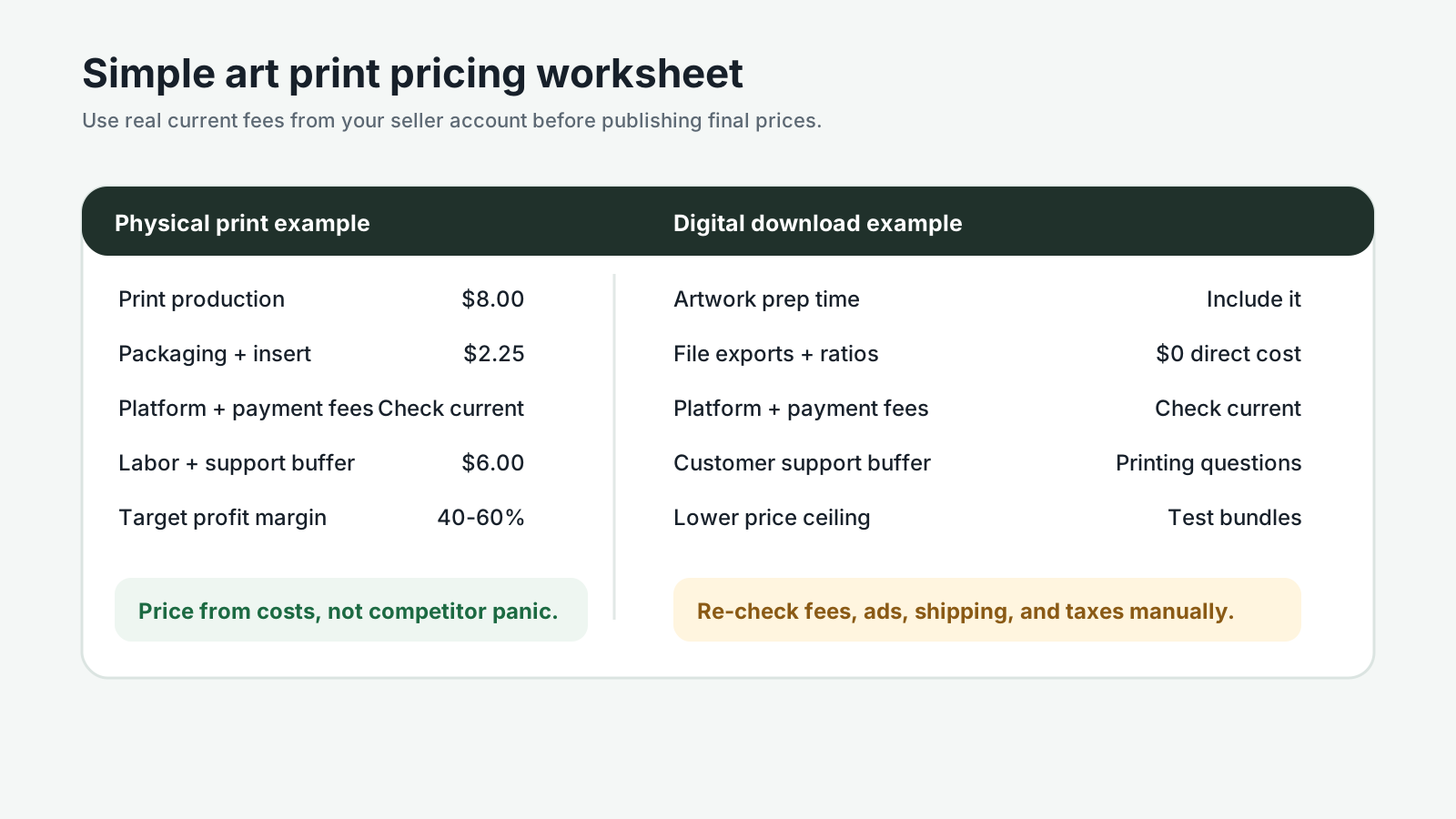
| Cost area | Digital download | Physical print |
|---|---|---|
| Production | Artwork prep and export files | Print cost, paper, packaging, samples |
| Platform | Listing, transaction, payment, ads if used | Listing, transaction, payment, shipping labels, ads if used |
| Support | Printing questions and file access | Shipping, replacements, damage, color expectations |
| Margin | Lower price, high delivery leverage | Higher price, more operational risk |
Check Etsy's current seller fee pages inside your seller account before final pricing, because fees and optional advertising programs can change. Then test whether your first image and title can support the price. If shoppers favorite but do not buy, look at price, trust, shipping, and listing clarity together.
How do you publish your first five listings?
Publish a small collection instead of one orphan listing. Five related pieces are enough to test a niche, create a coherent shop row, and learn what buyers click without spending weeks building inventory.
Step-by-step launch plan:
- Choose one niche, one style, and one buyer use case.
- Create five related designs with consistent ratios.
- Prepare print files and verify resolution for every advertised size.
- Make one hero wall mockup and one size-reference image per listing.
- Write titles from buyer phrases, not internal artwork names.
- Publish, then track impressions, clicks, favorites, carts, and orders.
Keep the first batch simple. Use the same frame color and two room styles so the shop grid feels intentional. The wall art mockup generator helps you make that first batch quickly without building a Photoshop template.
How do you improve after publishing?
Treat the first version as a test. If impressions are low, your keywords, category, attributes, or niche may be too weak. If impressions are healthy but clicks are low, your first image or title needs work. If favorites are high but sales are low, check price, shipping, product clarity, and trust signals.
Update one variable at a time. Change the hero image, then wait. Change the title, then wait. If you rewrite the title, replace every image, and change pricing on the same day, you will not know what helped.
For broader seller planning, use Art Mockups for Online Selling as the hub. For the product-image side, the fastest improvement is usually better scale and clearer expectations.
Key Takeaways
- Start with one clear niche and a small collection, not dozens of unrelated prints.
- Use standard frame-friendly sizes and verify print resolution before listing.
- Lead with a realistic wall mockup that shows true scale and buyer context.
- Write Etsy titles around buyer search phrases while keeping them readable.
- Price from real costs, fees, support, and replacement risk.
FAQ
Is Etsy a good place to sell art prints?
Yes, if your niche is clear and your listings are easy to understand. Etsy has active buyers for printable art and home decor, but competition is high, so presentation and search clarity matter.
Should I sell digital art prints or physical prints on Etsy?
Digital prints are easier to start with because fulfillment is automatic. Physical prints can command higher prices but require production, shipping, replacement policies, and quality control.
How many images should an Etsy art print listing have?
Use at least five useful images: a hero mockup, close-up, size reference, what-is-included image, and alternate room or frame view. See how many photos an Etsy wall art listing should have for a full slot-by-slot breakdown.
What size art prints sell best on Etsy?
Common buyer-friendly sizes include 8x10, 11x14, 16x20, 18x24, and 24x36 inches. The best size depends on the artwork ratio, niche, and whether you sell digital files or physical prints.
Do mockups help sell Etsy art prints?
They help when they show scale, room fit, and product expectations clearly. A mockup will not fix weak demand, but it can make a strong print easier to trust and buy.
Selling the same print in several sizes or frames?
Filling five or more photo slots gets slow if you rebuild a mockup by hand for every size and frame variant you offer. A bulk mockup generator uploads your artwork once and generates every room-and-frame combination in a single pass, which covers most of a listing's photo slots from one upload instead of one manual session per variant.
Create your Etsy listing mockup
Before you publish the next listing, make one true-to-scale hero image in the WallMockup editor. Show the print in a real room, keep the frame honest, and use that image as the first Etsy listing photo.